

The Story of the Fig

Most people see a fig and think of a fruit. They see a quiet, green shape sitting still on a branch and assume they know its story. At Figity Bits, we know better.

We didn’t choose the fig as our namesake just because it’s a fun word to say. We chose it because the fig is nature’s greatest secret-keeper. It is a botanical rebel that refuses to bloom for the crowd. While every other flower in the garden is competing for attention, the fig is busy doing something far more radical: it is blooming entirely for itself, in a private, protected world tucked safely inside.

If you’ve ever felt like an observer in a world that’s too loud, or if your greatest brilliance happens in the quiet spaces of your own mind, this story is for you. This is the story of the Inverted Flower—a celebration of those of us who ripen from the inside out.

Welcome to the garden. Your internal world is exactly where it’s supposed to be.

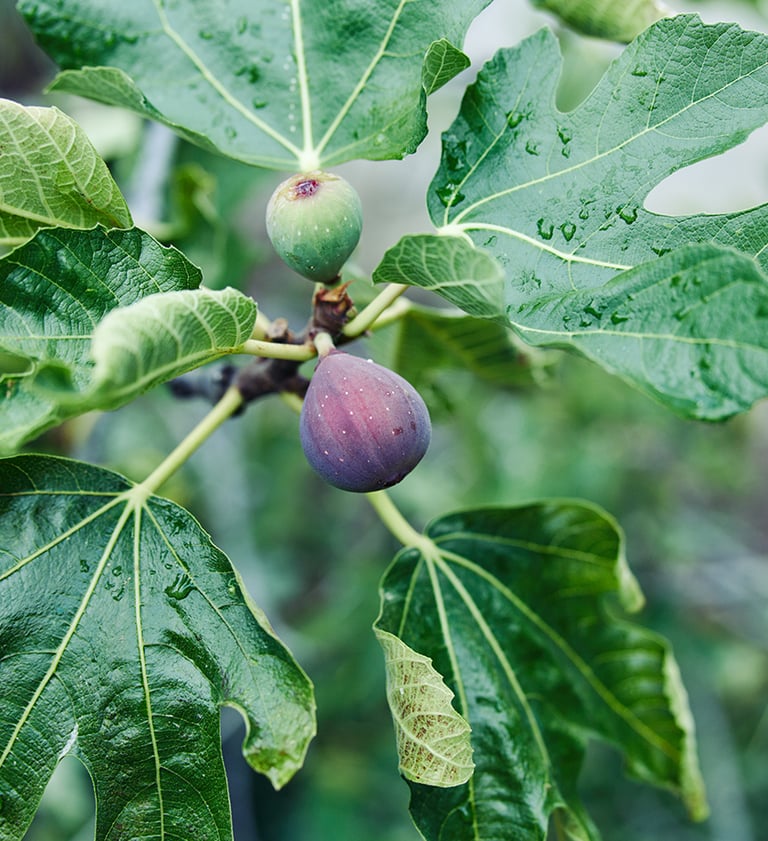
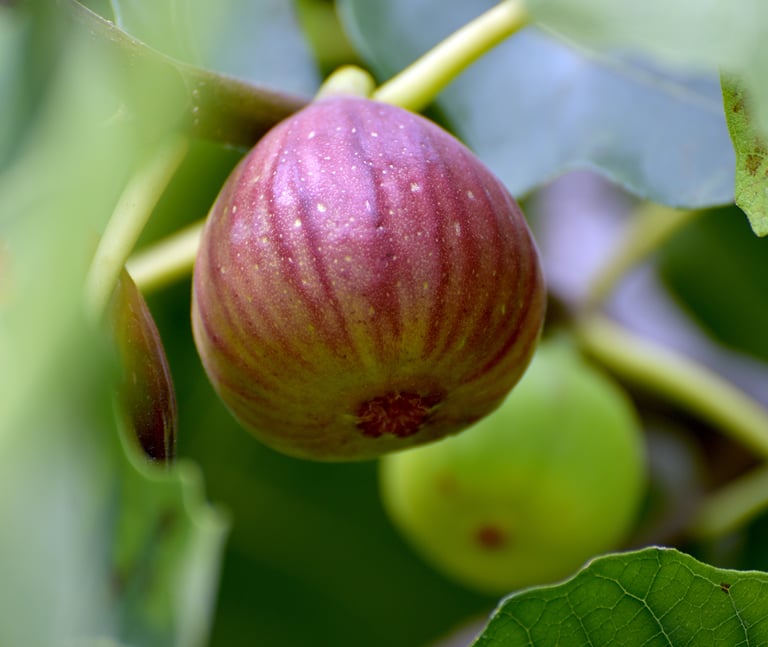
Fresh purple fig ripening on a lush green fig tree branch with large lobed leaves.

The Secret of the Syconium

In a world of outward blossoms—of roses that shout their scent and sunflowers that turn their faces to the bright, hot sun—there is the Fig.

To the casual observer, the fig is humble. It is a quiet, green orb sitting still on a branch. It does not bloom for the bees; it does not unfurl petals for the passing breeze. For centuries, people looked at the fig and saw a fruit that arrived without a flower.

But they were looking at the wrong side of the skin.

The fig is a syconium. It is not a fruit; it is a hollow, fleshy vessel. And inside that vessel—safe, quiet, and tucked away from the noise of the world—is a hidden garden. The flowers are all there, hundreds of them, blooming in secret. They don't bloom for the world. They bloom for the fruit.

They bloom inward.

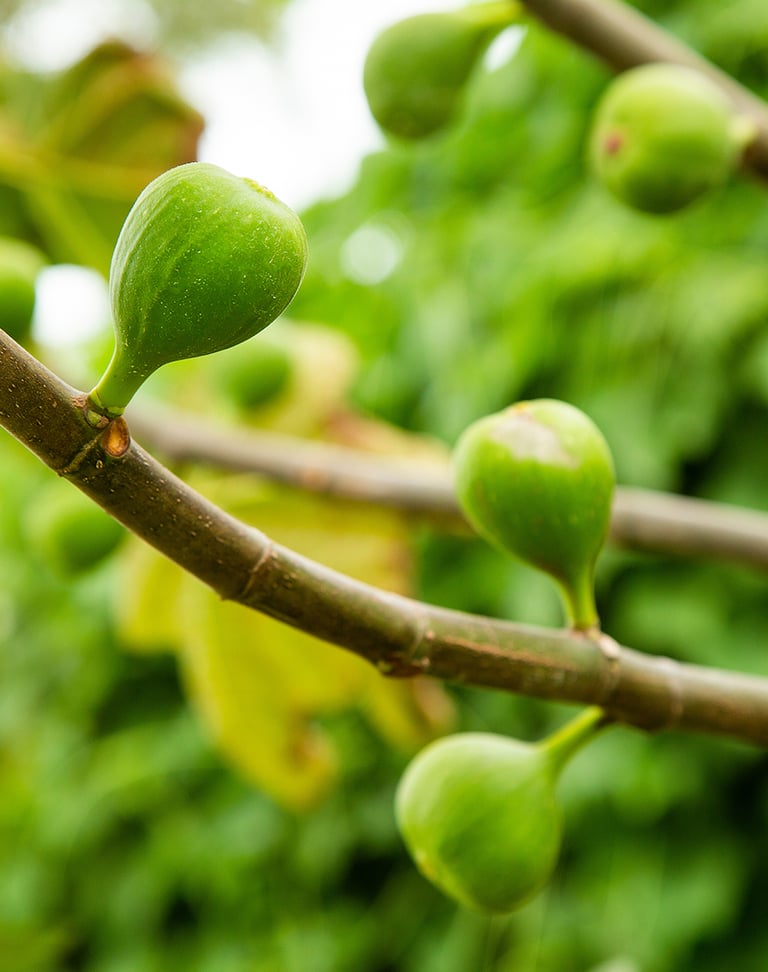
Young green figs ripening on a branch of a common fig tree in a lush organic garden.

The Inverted Flower

There is a beautiful, quiet strength in blooming in reverse.

Many of us are told that to be "vibrant" is to be outward. We are measured by how much we share, how loudly we speak, and how easily we unfurl our petals for the public gaze. For the internal thinker, the dreamer, and the neurodivergent soul, this expectation can feel like being asked to grow the wrong way.

But nature doesn't have a "correct" direction for a flower.

The neurodivergent mind is often a fig mind. It is a complex, rich, and deeply textured landscape that ripens from within.

  • Your complexity isn't hidden; it is protected.

  • Your beauty isn't missing; it is private.

  • Your brilliance isn't silent; it is simply blooming in a language the world hasn't learned to read yet.

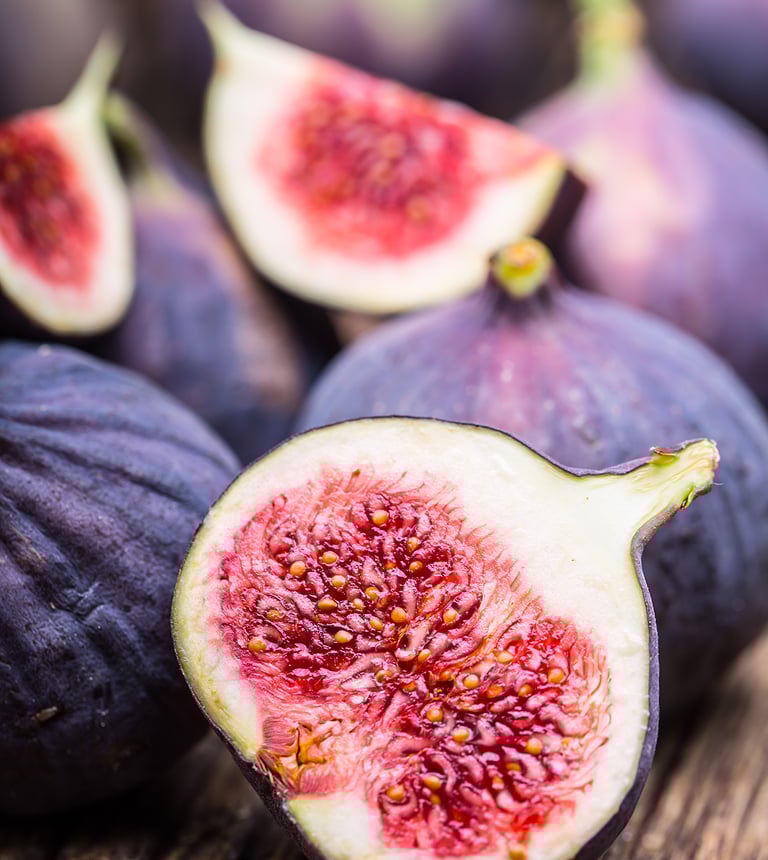
Fresh ripe purple figs sliced open showing a sweet red interior on a rustic wooden table.

The Flowery Mind

A fig doesn't need to be a rose to be sweet. In fact, its sweetness comes from that very privacy—the way the internal flowers interact and ripen in their own time, in their own safe, dark, and quiet space.

This is the beauty of the Internal Bloom.

It is the permission to be complex without explanation. It is the realization that your internal world is not a "waiting room" for your external life—it is the garden itself. You are a masterpiece of inverted architecture.

You are a fig. You are an inverted flower. And you are ripening perfectly.

A ripe purple mission fig hanging on a green fig tree branch with lush leaves in a garden.

The Ripening

My bloom is internal.

My rhythm is my own.

I do not unfurl for the world;

I ripen for the soul.

I am the inverted flower—

hidden, complex, and whole.

The Mantra of the Inverted Flower